
Why price per square foot tells you almost nothing in South Tampa
Four building eras on the same block, water on two sides, and why the easiest comparison is the least useful one.
By Ashley DePappa, Global Real Estate Advisor
Article
Every buyer eventually asks what houses go for per square foot here, and it is a completely reasonable question. It is also, on this particular peninsula, close to useless as a way of comparing two properties.
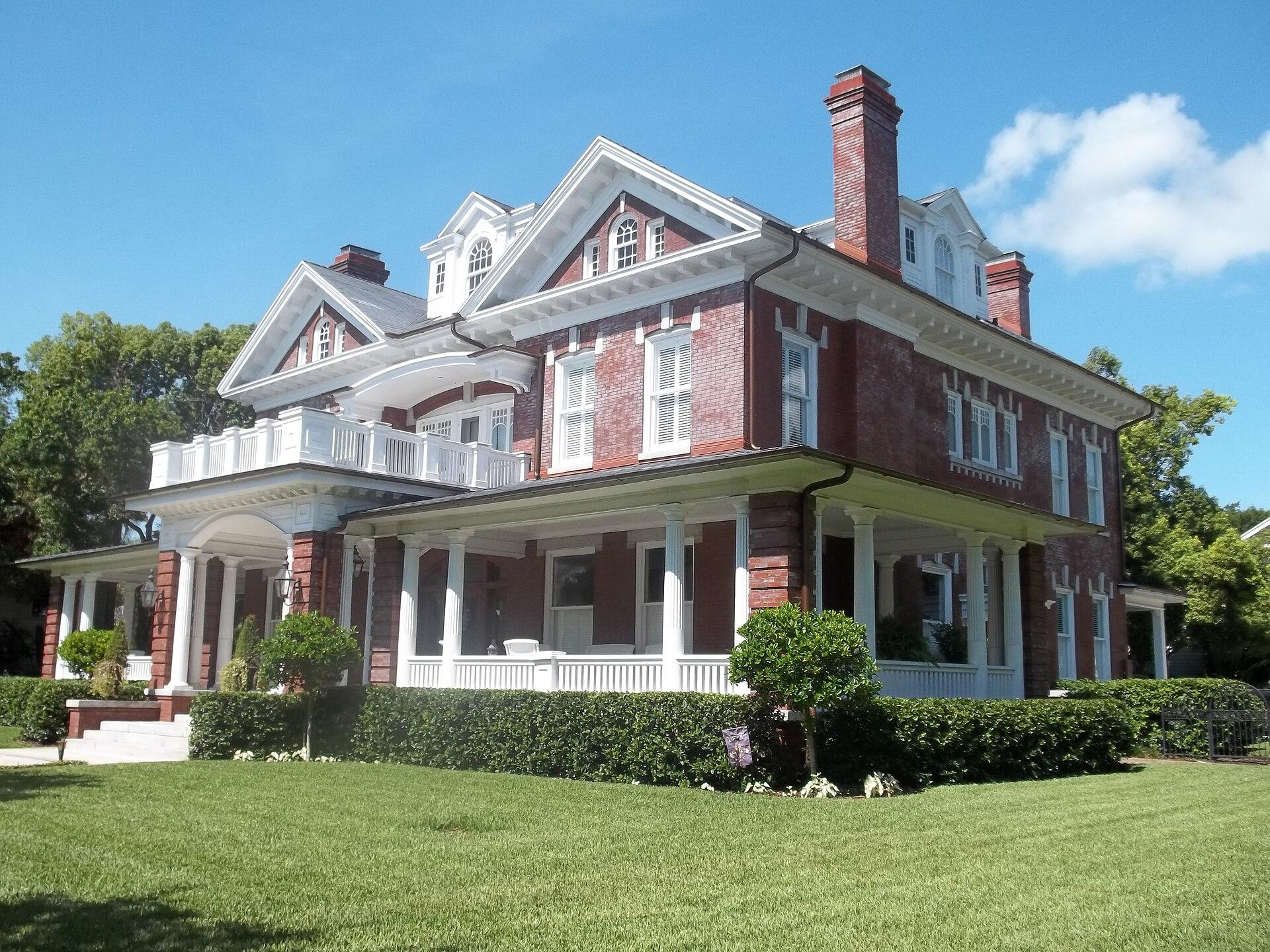
The reason is that South Tampa was built out in waves and never comprehensively redeveloped. A 1925 stucco house, a 1958 ranch, a 1998 replacement, and a house finished last year can all stand within a few hundred feet of each other. They are not the same product. They do not have the same systems, the same ceiling heights, the same insurance profile, or the same remaining life. Dividing each of their prices by their floor area and comparing the results is arithmetic, not analysis.
The second reason is that a meaningful share of value here is in the land and its position rather than the structure. Whether a lot has water frontage, water access, a dock, a canal, a golf course behind it, or simply a shorter route to the airport can matter more than what is currently built on it. In parts of the peninsula the practical question is what the lot is worth and whether the existing house adds to that or is standing in the way of something better.
On this peninsula you are often buying the lot and its position, with a house standing on it. Averaging that across a neighborhood produces a number that describes nothing.
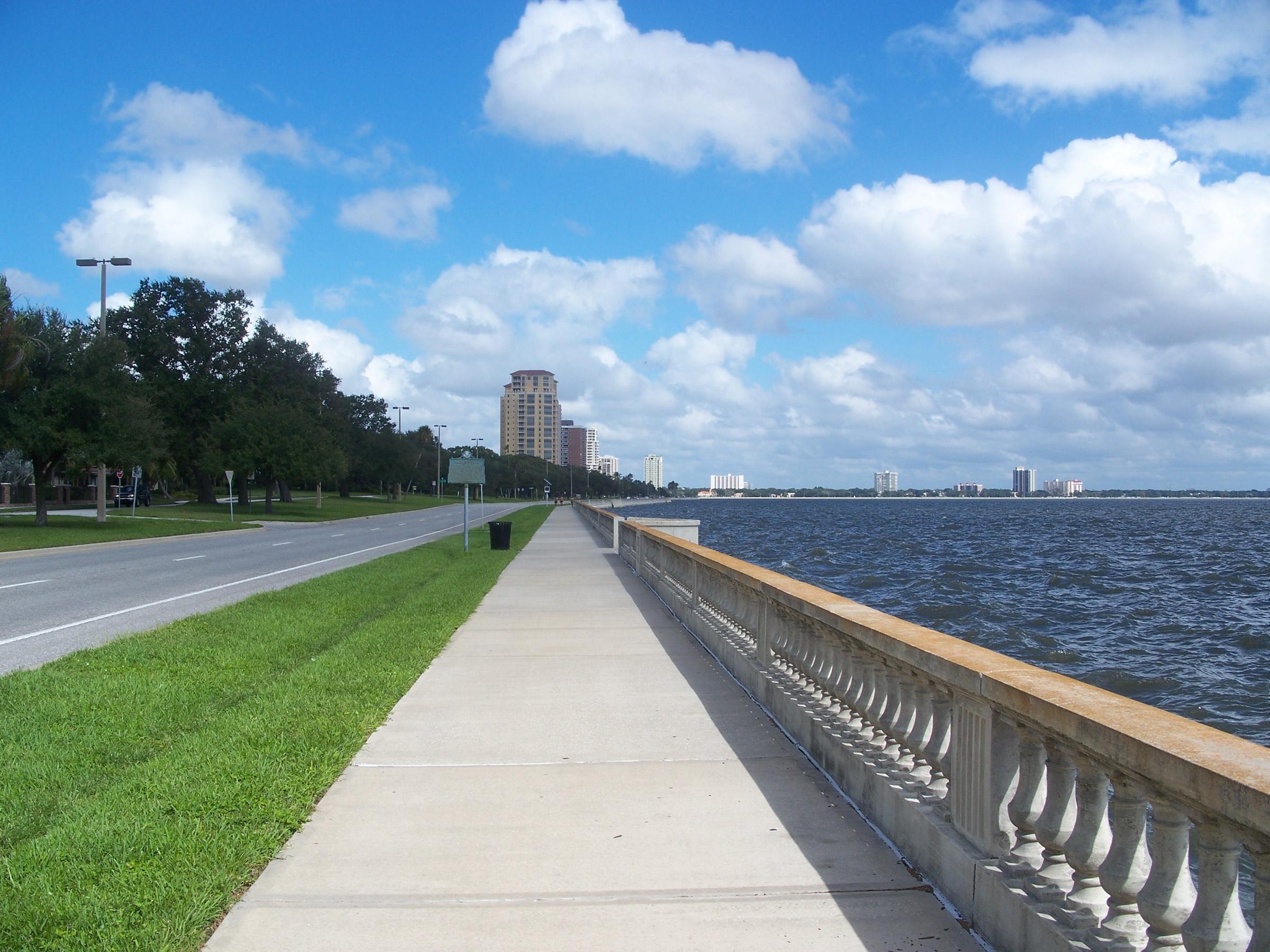
The third is that the peninsula is narrow. Corridors change character quickly, and two blocks can put you on a different street type entirely — a quiet interior road versus a through route, a waterfront view versus a water-adjacent one. Any average that spans a neighborhood name is averaging across those differences.
None of this means comparison is impossible. It means the comparison has to be against specific houses rather than against a statistic: what a buyer with your budget could actually tour this week, and how yours reads next to those. That is a slower answer than a number, and it is the only one worth acting on.
Related
- What Tampa's 2045 plan means for your neighborhoodTampa has a new long-range plan, called Live Grow Thrive 2045, the first update to the city's Comprehensive Plan in a decade.
- What happens between our first conversation and your listing going liveThe three or four weeks that decide most of the outcome, described honestly and without a single invented statistic.
- The questions to ask about a Florida house before you are committedOwnership cost here is not the purchase price. What to raise early, and who should actually answer it.
Your house
This is more useful applied to a specific property
If any of it applies to a house you own or are considering, a short conversation will get you further than another article.